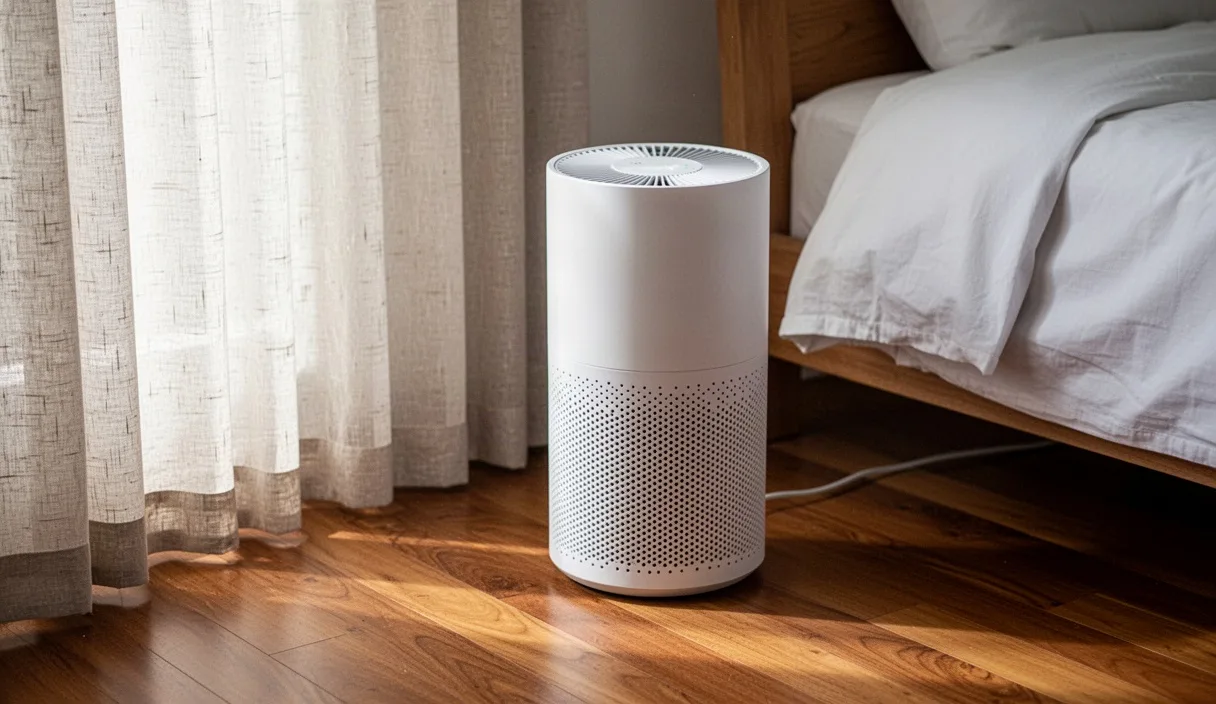
When outdoor temperatures drop below freezing, cold air holds significantly less water vapor than warm air. When your home heating system draws in this cold outdoor air and heats it to a comfortable 68 to 72 degrees Fahrenheit, the relative humidity inside the living space drops dramatically. In many winter homes, indoor relative humidity plummets to 15 or 20 percent, a level comparable to the arid climate of the Mojave Desert. This sustained drop in moisture strips hydration from surrounding surfaces, building materials, and human tissue.
The primary barrier against airborne pathogens, allergens, and cold air is the respiratory epithelium lining your nasal passages. When this delicate mucosal tissue is exposed to persistently dry air, it dries out, leading to cracking, irritation, nighttime congestion, and minor nosebleeds. Establishing an intentional winter humidity routine balances mucosal protection against the structural risks of indoor moisture, such as window condensation and mold germination.
The Relationship Between Heated Air and Mucous Membranes
Your nasal passages act as an air-conditioning system for your lungs. Their primary job is to warm, filter, and humidify inspired air before it reaches the lower respiratory tract. This function relies on a thin, watery layer of mucus sitting atop millions of microscopic, beating projections called cilia. In healthy conditions, this mucociliary blanket moves inhaled dust, bacteria, and viral particles toward the pharynx, where they are swallowed and neutralized by stomach acid.
When you breathe air with a relative humidity below 30 percent for extended periods, water evaporates rapidly from the mucosal lining. The mucus layer thickens and loses its fluidity, causing the cilia to slow down or become completely paralyzed. This condition, known as ciliostasis, impairs your body's initial mechanical defense against airborne pathogens. Rather than sweeping debris out of the airway, the dry mucus forms hard crusts that adhere tightly to the underlying tissue.
The capillaries close to the surface of the nasal septum (Kiesselbach's plexus) become fragile when the overlying mucosa dries out and cracks. Normal breathing, gentle nose blowing, or rolling over in bed can cause these exposed microvessels to rupture, resulting in epistaxis (nosebleeds). Furthermore, raw, cracked nasal membranes trigger local inflammatory pathways, causing the turbinates to swell. This leads to the paradoxical sensation of feeling intensely congested despite having dried-out nasal passages.
If you experience chronic nasal bleeding, persistent facial pressure, or pain that does not improve with environmental adjustments, consult an otolaryngologist or primary care physician. Environmental humidity management supports tissue hydration, but it does not replace medical assessment for underlying conditions like deviated septums, vascular malformations, or chronic rhinosinusitis.
Targeting the Safe 35 to 45 Percent Relative Humidity Range
Managing indoor air is a balancing act. If the air is too dry, human mucous membranes suffer; if the air is too damp, biological contaminants multiply. The optimal target for both nasal comfort and home preservation during freezing weather is between 35 and 45 percent relative humidity. Maintaining this specific window keeps the nasal mucus fluid without pushing exterior building envelopes toward condensation thresholds.
Relative humidity below 35 percent increases the survival time of several lipid-enveloped respiratory viruses in the air and desiccates human airways. Conversely, sustained relative humidity above 48 or 52 percent creates favorable conditions for dust mite reproduction and fungal growth. House dust mites cannot drink liquid water; they absorb moisture directly from the ambient air, thriving when relative humidity consistently exceeds 50 percent. Fungal spores present in household dust can germinate on organic materials like drywall paper or window trim when relative humidity stays above 55 percent for several days.
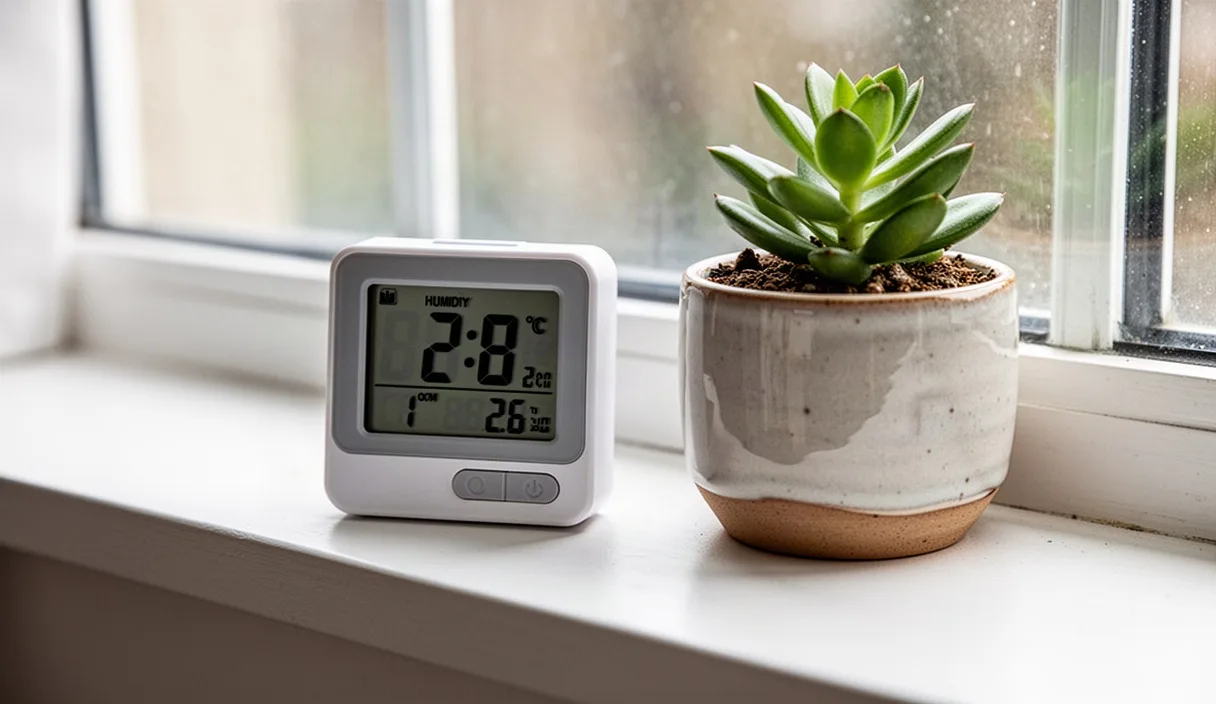
To keep humidity within this narrow bracket, use a dedicated digital hygrometer rather than relying on the humidistat built into your humidification appliance. Built-in sensors measure moisture in the micro-climate immediately surrounding the unit, which can read 10 to 18 percent higher than the rest of the room. Place your freestanding hygrometer at breathing height, between three and five feet from the floor, on an interior wall. Keep it at least six feet away from supply registers, exterior doors, bathroom exhausts, and the humidifier itself to obtain an accurate reading.
Selecting Ultrasonic Versus Evaporative Humidifier Systems
Choosing the right humidifier mechanism directly influences indoor air quality, cleaning requirements, and operational costs. The two most practical technologies for residential rooms are cool-mist evaporative systems and ultrasonic systems. Each interacts differently with local water chemistry and municipal supplies.
Evaporative humidifiers use an electric fan to pull ambient air through a porous, water-saturated wick or paper filter. As air passes through the wet medium, water evaporates naturally into the gas phase. This process is self-limiting: as the room's relative humidity rises, the rate of natural evaporation slows down, reducing the risk of accidental over-saturation. Crucially, minerals dissolved in the water supply remain trapped inside the porous wick rather than dispersing into the room. The primary drawback is mechanical fan noise and the recurring cost of replacing mineral-hardened wicks every 30 to 60 days.
Ultrasonic humidifiers use a small metal or ceramic diaphragm vibrating at high frequencies to break liquid water into a fine, visible mist of liquid droplets, which a small fan propels into the room. Ultrasonic units operate almost silently and consume minimal electricity. However, because they aerosolize droplets rather than true water vapor, they disperse everything in the water reservoir straight into your air. If filled with hard tap water, ultrasonic units distribute microscopic mineral solids (calcium and magnesium carbonate) throughout the room. This settles as fine white dust and can trigger coughing or lower airway irritation in sensitive individuals. Unless you use distilled or reverse-osmosis water, ultrasonic systems carry higher operational burdens.
| Feature | Evaporative Wick System | Ultrasonic Mist System |
|---|---|---|
| Output Mechanism | Pure water vapor via natural evaporation | Aerosolized micro-droplets of liquid water |
| Mineral Dispersion | Low; minerals stay trapped in the replaceable wick | High; minerals enter the air as fine white dust |
| Noise Level | Moderate fan noise (35 to 52 decibels) | Extremely quiet (sub-25 decibels) |
| Risk of Over-Humidification | Low; evaporation slows as air saturates | Moderate to high; outputs mist continuously if unmonitored |
| Recommended Water Type | Standard municipal tap water | Distilled, demineralized, or reverse-osmosis water |
Daily Water Tank Rinsing to Prevent Microbial Growth
Standing water held at indoor room temperatures (between 65 and 74 degrees Fahrenheit) is an ideal breeding ground for bacteria, amoebae, and fungal slime. Within 24 to 48 hours of sitting stagnant, a slick biological coating known as biofilm can develop on the internal plastic surfaces of a humidifier base. Biofilm protects colonies of organisms, including Pseudomonas aeruginosa and non-tuberculous mycobacteria, from mild drying. If dispersed into the air you breathe, these microbes can cause humidifier lung (hypersensitivity pneumonitis) or aggravate underlying asthma.
A rigorous daily cleaning protocol prevents biofilm accumulation without requiring harsh chemicals that leave toxic residues.
Daily Turnaround Routine
- Unplug and empty: Disconnect the humidifier from its power outlet every morning. Pour out all residual water from both the removable reservoir and the lower base tray. Never top off yesterday's standing water with fresh water.
- Mechanical rinse: Swish fresh, cool tap water vigorously through the reservoir, then drain it thoroughly. Wipe the base basin with a clean microfiber cloth or paper towel to physically disrupt any early bacterial anchoring layers.
- Air dry during daylight: Leave the water cap off and the reservoir inverted on a drying rack or dry towel throughout the day. Exposing the internal surfaces to air inhibits the growth of anaerobic and moisture-loving microorganisms.
- Refill immediately before sleep: Fill the tank with fresh water right before bedtime. This guarantees that water sits in the machine for no longer than eight to ten hours at a stretch.
Weekly Deep Sanitization Protocol
Once every seven days, perform a two-stage chemical descaling and sanitizing procedure. Never mix cleaning agents together, as combining acids and oxidizers can produce toxic fumes.
- Mineral descaling: Fill the reservoir and base basin with undiluted five-percent white distilled vinegar. Let it soak for 35 to 45 minutes to dissolve calcium carbonate scale and loosen crusty buildup around the transducer or heating element. Scrub delicate parts gently with a soft-bristled toothbrush, then rinse with plenty of tap water until the sour vinegar smell is completely gone.
- Disinfection: Fill the basin with a solution of one teaspoon of standard household hydrogen peroxide (three percent concentration) per gallon of water, or use a mild bleach solution of one teaspoon per gallon. Allow this solution to sit in the basin for 20 minutes to kill remaining microbial cells.
- Final purge: Rinse all components with cold running water for two full minutes. Allow all parts to air-dry completely before reassembling the unit.
Managing Condensation on Perimeter Walls and Glass
Adding moisture to dry indoor air introduces a structural challenge: indoor condensation. Air warms up inside your home, expanding its capacity to hold water, but exterior surfaces remain cold. When warm, humidified indoor air strikes a surface chilled below the local dew point, the air cools rapidly, cannot hold its vapor load, and sheds liquid water directly onto the cold material.
Window glass and cold exterior corners are the most vulnerable areas in residential structures. Single-pane windows or double-pane units with failed perimeter seals possess a low thermal resistance (R-value). If your indoor space is maintained at 70 degrees Fahrenheit with 40 percent relative humidity, the indoor dew point sits near 45 degrees Fahrenheit. If outdoor temperatures fall to 15 degrees Fahrenheit, the indoor surface of poorly insulated glass can easily drop below 38 degrees Fahrenheit, causing water to bead up and stream down the panes.
Uncontrolled condensation causes structural problems. Liquid water pools on wooden window sashes, leading to paint peeling, rot, and localized black mold growth (such as Cladosporium or Stachybotrys). Furthermore, exterior corners and the wall spaces behind large furniture often suffer from poor air circulation and thermal bridging. These cold exterior pockets can reach dew-point temperatures unnoticed, absorbing moisture and cultivating hidden mold colonies behind beds, headboards, and dressers.
To safeguard your home while maintaining nasal comfort, monitor your windows daily. If you see misting or bead condensation along the lower two inches of your window glass, your indoor humidity is too high for the current outdoor temperature. In this case, dial your humidifier back by three to five percentage points. Open window shades and interior blinds during the morning hours to allow natural convection currents to warm the glass. Keep furniture pulled at least three to four inches away from cold exterior walls to allow heated room air to circulate freely across the drywall.
Common Mistakes to Avoid
Small operational mistakes can negate the benefits of indoor humidification or damage your home:
- Setting output too high on freezing nights: As outdoor temperatures plunge from 30 degrees down to zero degrees Fahrenheit, exterior wall temperatures drop as well. A relative humidity setting of 42 percent might work well on a mild winter day, but it will saturate your windows on a sub-zero night. Lower your target to 32 or 35 percent during severe cold snaps.
- Using tap water in ultrasonic humidifiers: Municipal water supplies contain dissolved solids. When atomized, these minerals become an inhalable airborne particulate load (PM2.5). Fill ultrasonic units with distilled or demineralized water only.
- Placing humidifiers on carpet or wooden furniture: Heavy mist can settle onto flooring or fine wood finishes before it evaporates, ruining wood surfaces and soaking carpet fibers. Set your humidifier on a water-resistant tray at least two feet off the floor.
- Neglecting wick replacement in evaporative units: When evaporative wicks become crusty with yellow or brown mineral deposits, their capillary action drops dramatically. Replace the wick as soon as it stiffens, typically every four to eight weeks depending on your water hardness.
- Relying on humidification while ignoring hydration: A humidifier relieves surface drying of the upper airway, but it does not replace proper fluid intake. Drink water consistently throughout the day to keep mucosal tissues hydrated from the inside out.
Practical Next Steps for the Heating Season
To prepare your living space for winter, take a systematic approach to humidity control:
- Audit your monitoring tools: Buy two reliable digital hygrometers. Place one in the primary bedroom and one in the main living space to track variations across different heating zones. Check their readings against the weather forecast for several days before turning on a humidifier.
- Clean your equipment: Retrieve your humidifiers from storage and inspect them thoroughly. Discard any old wicks left over from last year. Run a full vinegar descaling cycle and a hydrogen peroxide disinfection soak before plugging the units in.
- Check your home's thermal boundaries: Check the caulk around your window sashes and inspect weatherstripping on all exterior doors. Drafty window frames chill the surrounding glass faster, triggering condensation at lower humidity levels.
- Establish a daily routine: Set a regular morning habit of dumping standing humidifier basins, wiping them clean, and leaving them to air-dry during the day. Refill them in the evening with clean water.
- Inspect cold-surface warning points: Check bedroom window corners every morning. If condensation appears, dial back your humidifier slightly and open curtains to let air circulate.
If you take these steps and still struggle with severe nasal crusting, nasal pain, persistent bleeding, or daytime sinus headaches, schedule an appointment with a board-certified physician. A doctor can evaluate your nasal anatomy, recommend balanced saline nasal rinses, or prescribe topical barrier ointments tailored to your airway health.